Getting married or divorced in Serbia as a foreigner
International Marriage and Foreign Divorce Recognition in Serbia
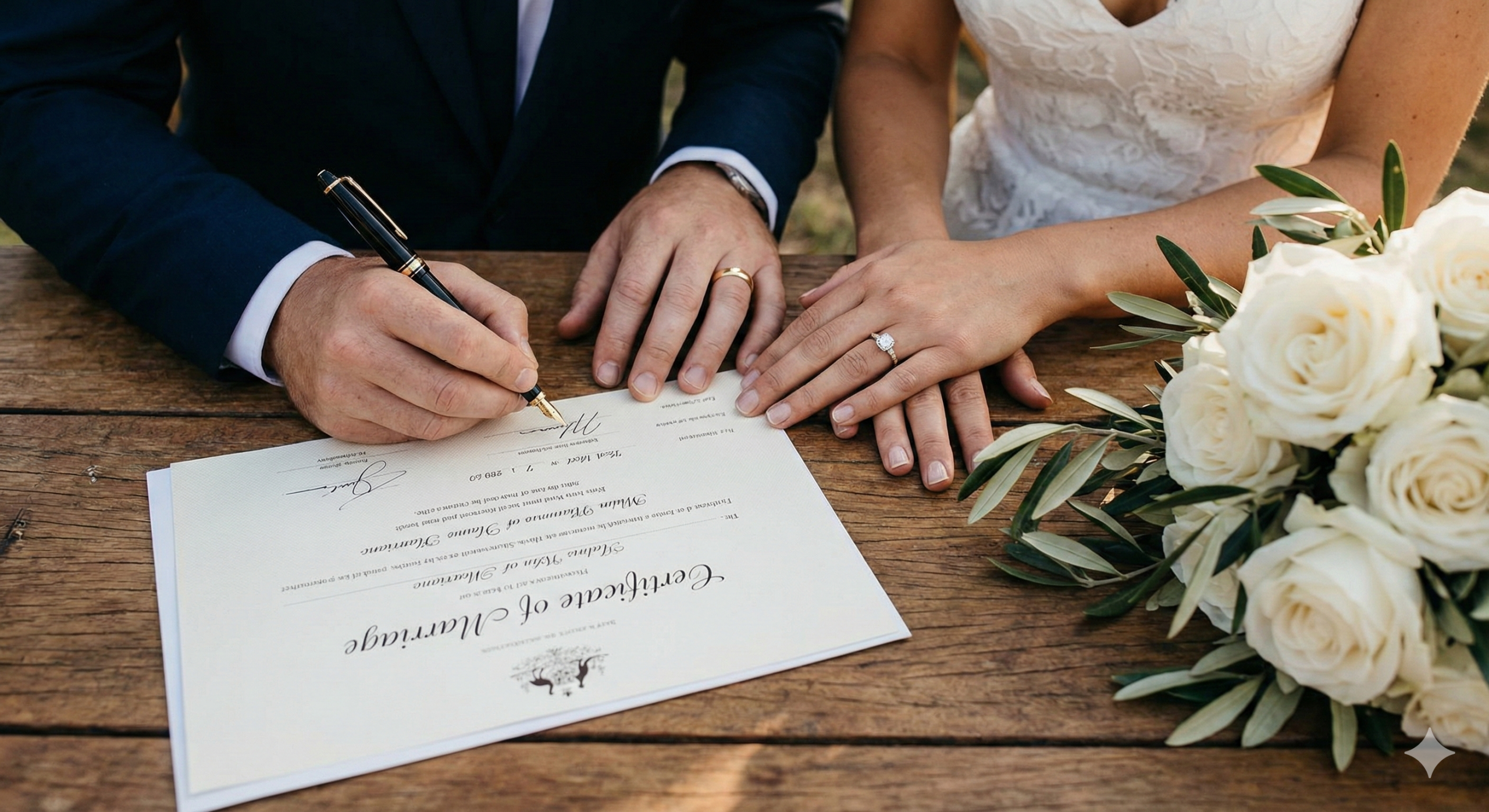
As a global focal point in 2026, Serbia offers a unique setting for international marriages. Foreign nationals can easily exchange vows in Belgrade’s culturally rich atmosphere, as long as the necessary legal preparation is handled with precision to guarantee the marriage’s validity and a smooth relocation process.
Concluding a Marriage in Serbia
The process begins with an initial visit to the municipality office to submit a formal wedding request. Unlike countries with lengthy residency rules, Serbia prioritizes the formal integrity of the union. Couples visit the municipality to submit a formal wedding request and secure a date for their ceremony.
Initial Steps and Documentation
While requirements may vary on a case-by-case basis, the following documentation is typically required by the authorities when couples submit their application:
- Passports: Valid travel documents for couple.
- Birth Certificates: Original documents issued in the country of birth, typically within the last six months, properly notarized and accompanied by court-certified translations.
- Certificate of No Impediment to Marriage: A vital document proving both parties are legally free to marry.
- Administrative Fees: Proof of payment for state-mandated fees.
- White Cards: Proof of local address registration (Beli karton) for the couple
- Witness Documentation: Copies of passports and address registrations for two witnesses.
- Interpreter Presence: If either party does not speak Serbian, a court-certified interpreter must be present during both the application and the ceremony to ensure a full understanding of the legal proceedings.
Timing is the most critical factor in this preparation. While some documents can be sourced through embassies or consulates within Serbia, others must be obtained directly from the home country. This affects the duration of stay, especially for those operating under a visa-free regime or a Short-Stay Visa (C).
The Ceremony and Beyond
Once the municipality verifies the documentation, a date is set. On the wedding day, the couple, their witnesses, and the interpreter return to the municipality office to finalize the registration. Upon completion, the couple receives a Serbian marriage certificate. This document is recognized internationally, though it may require an Apostille or further legalization to be registered in the couple’s home countries.
Strategic Planning and Professional Insight
The marriage process in Serbia is efficient yet precise, requiring careful attention to the specific requirements of local officials. Their assessment of document authenticity can influence your planning phase significantly. Because successful coordination depends on balancing document expiration dates and travel logistics, professional advice is key. Proactive preparation helps avoid administrative delays with foreign documentation, ensuring a smooth path to your ceremony
Divorce in Serbia: Legal Pathways
Life circumstances can change, and the Serbian legal framework provides efficient solutions for the dissolution of marriage. You can read more about the specific procedures for ending a marriage and the division of property in our dedicated text: Marriage Dissolution and Asset Division.
Divorce Before a Serbian Court (Remote Option)
In addition to standard procedures, in practise certain divorce cases in Serbia can be handled remotely. Spouses without children can often conclude a mutual consent divorce via a specialized Power of Attorney. This path allows legal representatives to act on the parties’ behalf, provided the specific case meets the necessary criteria.
Registration of Marriage Divorced Abroad (Recognition of Foreign Decree)
If your marriage is recorded in Serbian marriage registers, a foreign divorce decree does not automatically update your status in Serbia. Until a foreign divorce decree is recognized by a Serbian court, your legal status in Serbia remains “married.” Completing this process is a mandatory prerequisite for:
- Remarriage: You cannot legally enter into a new civil marriage in Serbia while a prior union is still registered as active.
- Inheritance and Probate: Accurate marital records are critical for determining inheritance rights and managing estate proceedings in Serbia.
- Property and Administrative Clarity: Updating your status is essential for real estate transactions and ensuring your identification documents reflect your true legal standing.
The Two-Step Legal Process
The procedure for validating a foreign divorce in Serbia consists of two distinct stages: judicial recognition process and administrative registration.
Judicial Recognition of the Foreign Court Decision is a formal procedure initiated before the Higher Court. The court verifies if the foreign decision meets the formal legal requirements without re-examining the merits or reasons for the divorce.
Required Documentation: To initiate the process, the following documents are typically required:
- Original Foreign Divorce Decree: Must be the original or a certified copy and must include the formal clause of finality and enforceability (pravnosnažnost i izvršnost).
- Legalization: Depending on the country, the decree requires an Apostille or full legalization.
- Certified Translation: A full translation of the decree by an authorized court translator in Serbia.
- Passports and Citizenship Certificates: Copies of passports and citizenship certificates for both the petitioner and the respondent (to ensure procedural efficiency).
- Power of Attorney for Receiving Service: If you reside abroad, you must appoint a representative in Serbia to receive court communications on your behalf.
Once the court issues the final decision of recognition, the final step is the administrative registration of the divorce fact in the Serbian Marriage Register.
Remote Legal Assistance
A significant advantage of this procedure is that it can be handled entirely remotely. You do not need to travel to Serbia to update your marital status. By granting a specialized Power of Attorney to a qualified lawyer, all stages—from filing the initial court proposal to final registration with the municipal registrar—are managed on your behalf.
This remote approach is particularly valuable for those living abroad who wish to settle their legal affairs in Serbia efficiently, ensuring they avoid future bureaucratic complications for themselves or their family.
Note: This text provides general information and does not constitute legal advice. For specific questions and legal advice, please consult a lawyer.

Author
Vojislav S. Dulić
Vojislav Dulić is an attorney at law born in Herceg Novi, specifically in the town of Bijela.
He successfully completed his primary and secondary education in Geneva, thus acquiring an international education and perspective that further enriches his practice. Upon returning to Serbia, he further honed his knowledge and skills by practicing law in Belgrade, where he had the opportunity to work on various complex cases at a prestigious law firm.
He further complemented his practice by working in Geneva, within various branches of law. He speaks English, French, and Italian.
He is a member of the Belgrade Bar Association.
How can we help you?
Fill out the form below to contact us.
Our team will reply as soon as possible.