From Wills to Life-Care Contracts: Strategic Legal Insights into Estate Distribution and Asset Protection in serbia
Inheritance Law in Serbia: A Guide to Wills, Contracts, and Estate Planning

Planning for the future distribution of your assets is one of the most significant steps you can take to protect your life’s work. In Serbia, inheritance is not just a default legal process; it is a flexible area of law that allows for strategic arrangements to prevent future family disputes. Whether you are looking to secure a specific family member’s future or simplify the transfer of an international estate, understanding the Serbian Law on Inheritance is essential.
⚖️ The Legal Framework: Who Inherits by Law?
When no Will or contract exists, the law determines the distribution of the estate through probate proceedings (ostavinski postupak) based on kinship rows:
- Legal Heirs: Family members inherit in a specific order. The first row includes the deceased’s children and spouse, who typically inherit equal shares.
- The “Forced Portion” (Nužni deo): This is a critical SEO topic. Certain close relatives (descendants, spouses, parents) have a legal right to a forced portion, which is generally half of what they would receive by law. This right exists regardless of a Will, unless the heir is legally disinherited for specific, grave reasons.
- Inheritance Tax in Serbia: While direct descendants (first row) are often exempt, other heirs may be subject to inheritance tax. Strategic planning can often help minimize these costs.
📝 Strategic Planning: Wills and Testaments
A Will (Testament) is a personal, revocable declaration of intent. To be valid in Serbia, the testator must be at least 15 years old and capable of reasoning. Common types include:
- Holographic Will: Entirely handwritten and signed by you.
- Witnessed Will: The testator signs a document in the presence of two witnesses, declaring it as their own.
- Judicial or Notarial Will: Drafted by a judge or public notary, offering the highest level of legal certainty and official record-keeping.
- Essential Elements: A Will can appoint heirs, leave specific gifts (legates), or set conditions and deadlines for the inheritance.
🤝 Life-Care Contracts: A Powerful Alternative
The Life-Care Contract (Ugovor o doživotnom izdržavanju) is a highly searched and frequently used tool in Serbia. The provider of care agrees to support the recipient (food, medical care, funeral arrangements) in exchange for specific property upon their death.
- Key Advantage: Property included in this contract does not enter the estate and cannot be claimed by forced heirs. It is a highly effective way to bypass the “forced portion” rules.
- Strict Form: It must be solemnized by a notary to be legally binding, who must warn the parties that this property is excluded from future inheritance.
- Provider’s Duties: This typically includes providing food, clothing, medical care, and managing funeral arrangements.
Termination and Annulment: Because these contracts are based on mutual care, they can be terminated if the relationship breaks down:
– Grounds for Annulment: Termination can be initiated if one party fails to fulfill their duties (e.g., lack of care) or if the relationship becomes “intolerable.”
– Who can initiate? Both parties can request termination during their lifetime. After the recipient’s death, heirs can challenge the contract in court if they can prove it was a “simulation” or if the provider failed to fulfill their obligations.
– Statute of Limitations: Challenges by heirs are usually subject to strict deadlines, often one to three years after the death of the recipient.
🏡 Distribution of Property During Lifetime (Ustupanje i raspodela imovine za života)
This legal instrument allows an ancestor to divide their current assets among their descendants while still alive. However, its validity depends on a very strict rule of consensus:
The Rule of Unanimous Consent: For this distribution to be legally binding and final, all descendants who would be legal heirs must agree to the distribution and sign the contract.
The “Gift” Conversion (Reclassification): If even one descendant does not give their consent, the contract does not fail entirely, but its legal nature changes. The parts of the property transferred are then legally treated as a gift (poklon) in favor of the descendants who did sign.
Consequences for the Estate: Unlike a valid distribution (which removes assets from the future estate), property treated as a gift is subject to “collation.” This means that after the ancestor’s death, forced heirs who did not consent can challenge these transfers if their forced portion (nužni deo) has been violated.
Strategic Advantage: When done correctly with the consent of all parties, this is the most secure way to prevent any future probate litigation or “forced portion” claims.
🌍 International Inheritance and Foreigners
For foreigners or expats owning real estate in Serbia, inheritance can involve complex private international law. Serbia applies the principle of reciprocity, and in many cases, a foreign Will can be recognized if it meets specific formal requirements. Navigating cross-border inheritance requires a clear understanding of both Serbian law and international treaties.
🏛️ The Importance of Proactive Legal Guidance
Estate planning is about clarity and preventing long-term family litigation. A single ambiguity in a Will or a poorly structured life-care contract can lead to years of legal challenges regarding the forced portion or the validity of the transfer.
At Dulić Law Office, we emphasize the importance of:
- Legal Precision: Ensuring all documents meet the strict formal requirements of Serbian law to avoid future annulment.
- Strategic Protection: Utilizing contracts to protect specific assets from potential claims by forced heirs.
- Probate Representation: Guiding heirs through the probate proceedings to ensure a smooth and efficient transfer of ownership.
Creating a legally sound plan respects your wishes while providing peace of mind that your legacy is secured and your family is protected from unnecessary procedural complexity.
Note: This text provides general information and does not constitute legal advice. For specific questions and legal advice, please consult a lawyer.
Author
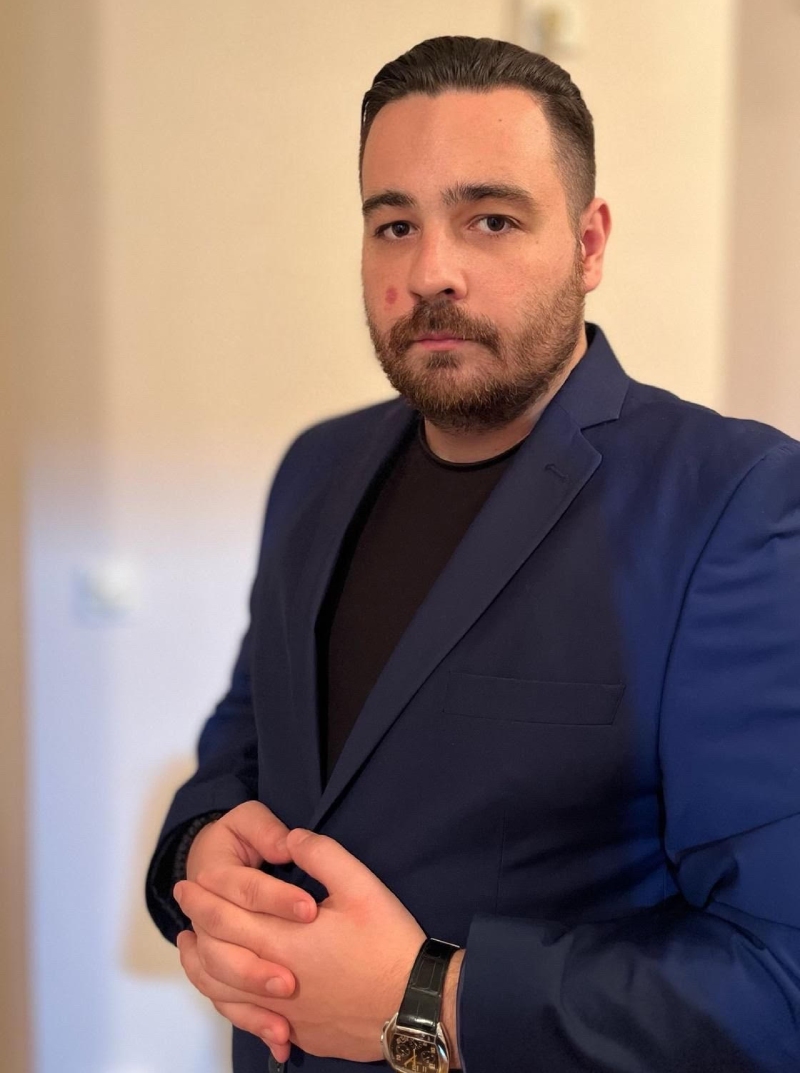
Vojislav S. Dulić
Vojislav Dulić is an attorney at law born in Herceg Novi, specifically in the town of Bijela.
He successfully completed his primary and secondary education in Geneva, thus acquiring an international education and perspective that further enriches his practice. Upon returning to Serbia, he further honed his knowledge and skills by practicing law in Belgrade, where he had the opportunity to work on various complex cases at a prestigious law firm.
He further complemented his practice by working in Geneva, within various branches of law. He speaks English, French, and Italian.
He is a member of the Belgrade Bar Association.
How can we help you?
Fill out the form below to contact us.
Our team will reply as soon as possible.