


Monetary Satisfaction for Non-Pecuniary Loss in Serbia: Translating Suffering into Legal Recovery
Non-Material Damage Claims: Compensation for Pain, Suffering, and Emotional Distress
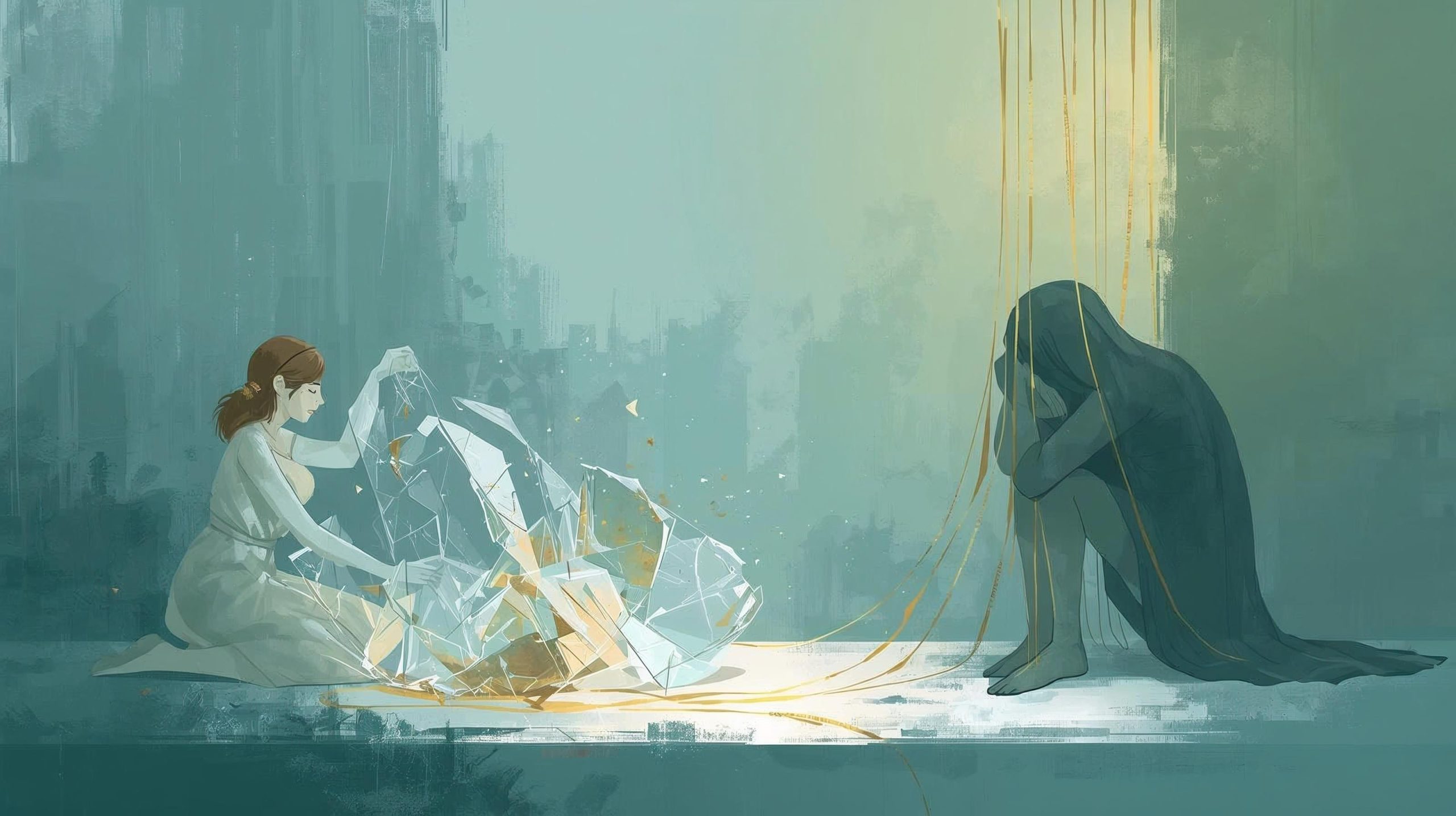
While material damages address the physical and financial impact on your assets, the legal system also recognizes that some of the deepest losses are intangible. In our previous guide on Personal Injury and Property Damage, we discussed the practicalities of physical recovery.
This guide focuses on Non-Material (Non-Pecuniary) Damage, which provides monetary satisfaction for the psychological and physical suffering a person undergoes when their bodily integrity or personal rights are violated.
Under the Law on Contracts and Torts, non-material damage is not intended as a “price tag” for your pain, but as a form of legal satisfaction to help restore the emotional and mental balance disrupted by a harmful event.
Physical Pain and Fear: The Immediate Psychological Impact
The most common basis for a non-material claim is the suffering experienced during and after a traumatic event, such as a traffic accident or workplace injury.
- Intensity and Duration: The law allows for compensation for physical pain and fear if the court finds that the severity and duration of the suffering justify it under the circumstances.
- The Nature of Fear: Compensation can be awarded for both the immediate fear felt during the event and the lasting psychological impact (secondary fear) that follows.
Reduction of Life Activities and Disfigurement
Some injuries leave permanent marks, affecting either a person’s physical appearance or their ability to engage in daily life.
- Reduction of Life Activities: This refers to the psychological distress caused by the permanent inability to engage in activities the victim enjoyed before the injury, such as sports, hobbies, or social interaction.
- Disfigurement: Compensation is provided when an injury results in a permanent change to physical appearance—such as scars or the loss of a limb—that causes ongoing psychological pain.
Infringement of Personality Rights: Reputation and Privacy
Beyond physical injury, the law protects your fundamental personality rights, including your reputation, honor, and privacy. In the digital age, these violations often occur through media or social platforms.
- Breach of Reputation and Honor: If a person’s reputation or honor is unlawfully harmed—for example, through a false media publication or a damaging viral post on social media—they have the right to seek financial satisfaction for the resulting psychological distress.
- Violation of Privacy: Unlawfully sharing private information or personal images constitutes a breach of personality rights that warrants compensation.
- Legal Remedies: In these cases, the court may not only award money but also order the responsible party to withdraw the statement or publish a retraction in the media to achieve the purpose of the compensation.
Loss of a Loved One and Severe Disability
Non-material damage also addresses the profound grief caused by the loss of a close family member.
- Death or Severe Disability of a Relative: The court may award fair monetary compensation for psychological pain to immediate family members (spouse, children, and parents) following the death or particularly severe disability of a loved one.
Proving Non-Material Damage
Because non-material damage is subjective and intangible, its proof requires a specialized approach combining legal expertise and medical science.
- Expert Neuropsychiatric Assessment: The primary way to quantify suffering is through forensic medical experts. They evaluate the intensity and duration of the pain, fear, or the degree to which life activities have been reduced.
- The “Fair Assessment” Principle: The court determines the amount of compensation based on a “fair monetary satisfaction” principle. The judge considers the importance of the violated right and the purpose of the compensation, ensuring the amount reflects social standards without encouraging tendencies incompatible with its purpose.
- Future Non-Material Damage: If it is certain that the suffering or reduction in life activities will continue, the court may award compensation for future non-material damage as well.
Conclusion
Securing a just outcome for non-material damage requires translating human suffering into a recognized legal claim. By meticulously documenting the psychological impact of a violation—whether it stems from a physical accident or a digital infringement—we ensure the law provides the satisfaction necessary for your recovery.
Since non-material losses often intersect with other legal areas, you may also find it helpful to explore our specialized guides on general liability and damage types, personal injury & property loss, corporate damages & lost profit.
Are you or a loved one dealing with the emotional aftermath of an injury or an infringement on your privacy? Contact our legal team for a professional evaluation of your case.
Note: This text provides general information and does not constitute legal advice. For specific questions and legal advice, please consult a lawyer.

Author
Vojislav S. Dulić
Vojislav Dulić is an attorney at law born in Herceg Novi, specifically in the town of Bijela.
He successfully completed his primary and secondary education in Geneva, thus acquiring an international education and perspective that further enriches his practice. Upon returning to Serbia, he further honed his knowledge and skills by practicing law in Belgrade, where he had the opportunity to work on various complex cases at a prestigious law firm.
He further complemented his practice by working in Geneva, within various branches of law. He speaks English, French, and Italian.
He is a member of the Belgrade Bar Association.
How can we help you?
Fill out the form below to contact us.
Our team will reply as soon as possible.