

From Marriage Dissolution to Asset Division: Lawyer’s Guide to a Fair Divorce in Serbia
Marriage Dissolution & Marital Asset Division in Serbia
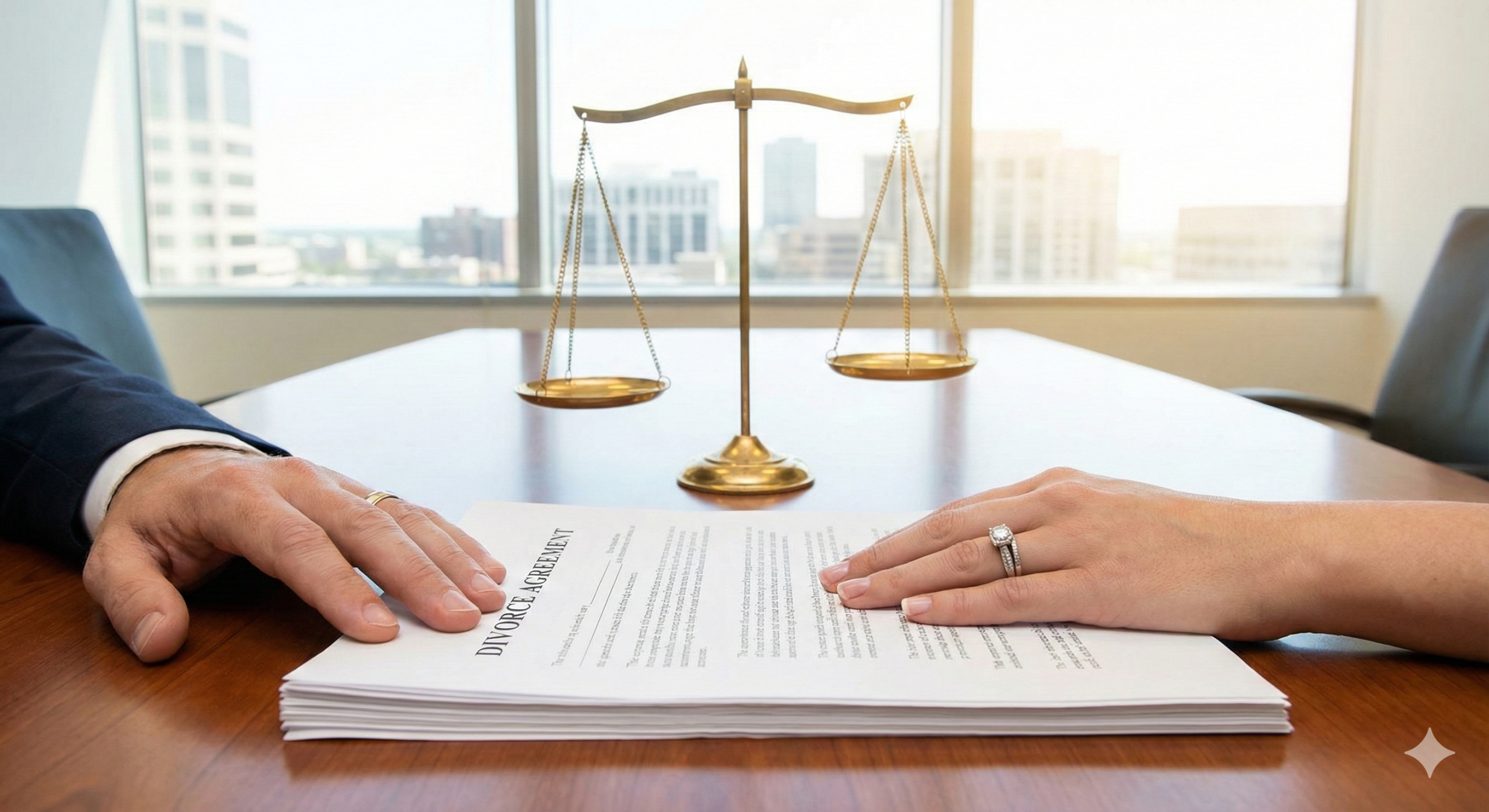
Divorce & Asset Division in Serbia: Your Essential Legal Guide
Going through a divorce is never easy, but understanding the legal landscape in Serbia can significantly reduce the stress. Whether you are navigating an amicable split or a complex dispute, here is everything you need to know about marriage dissolution, asset division, and protecting your rights.
⚖️ Choosing Your Path: How Divorce Works
In Serbia, the law provides two primary ways to end a marriage. The path you choose determines how long the process takes and how much it costs.
Amicable Divorce (Agreement) This is the fastest and most cost-effective option. If you and your spouse agree on everything—including child custody and property division—the court can finalize the process quickly.
Pro Tip: If you live abroad, a divorce lawyer in Serbia can often handle this entire process via a Power of Attorney, meaning you don’t even have to travel.
Divorce by Lawsuit If a consensus cannot be reached, one spouse can file a lawsuit. Serbia is a “no-fault” jurisdiction, so you only need to show that the marriage is “permanently disrupted.” While these cases are urgent by law, they can become complex if assets or custody are heavily contested.
🏠 Asset Division: Who Gets What?
One of the biggest concerns in any divorce is the equitable distribution of property. Serbian law is quite clear on what stays yours and what gets shared.
- Separate Property:
Anything you owned before the marriage stays yours. This also includes property you received as a gift or inheritance during the marriage.
- Joint Property:
Generally, anything earned or acquired through work during the marriage is considered shared. While the law starts with a 50/50 presumption, the court can award a larger share to one spouse if they contributed significantly more to the household, finances, or childcare.
💰 Spousal Support (Alimony)
Contrary to popular belief, alimony in Serbia is not automatic. It is designed as a safety net for a spouse who truly needs it.
To qualify, a spouse must show they lack sufficient means to live and are unable to work. However, there are limits:
Duration: Usually capped at 5 years (unless there are exceptional circumstances).
The “Worthiness” Rule: If a spouse has acted maliciously or committed domestic violence, the court may deny their request for support.
Remarriage: Support ends if the recipient enters a new marriage or lives in a common-law union.
👨👩👧👦 Child Custody & Support
The Serbian court has one priority: the “Best Interests of the Child.” Parents can agree on Joint Custody, where they continue to make decisions together, or Sole Custody, where the child lives primarily with one parent. Child support (alimentacija) is then calculated based on the child’s needs and the paying parent’s income—typically ranging between 15% and 50% of their monthly earnings. More on this topic you can read in our Child Custody & Support text.
🛡️ Strategic Protection: Prenups & Contracts
The best way to avoid a legal battle is to plan ahead. Marriage Contracts (Prenups) are becoming increasingly popular in Serbia. By notarizing an agreement, you can define exactly how your assets will be handled, bypassing the default legal rules and ensuring your financial future is secure.
Need Expert Guidance?
Navigating Serbian Family Law requires a strategy that balances your financial interests with your emotional well-being. Whether you need a consultant for international divorce or a trial lawyer for property disputes, we are here to help.
Note: This text provides general information and does not constitute legal advice. For specific questions and legal advice, please consult a lawyer.
Author
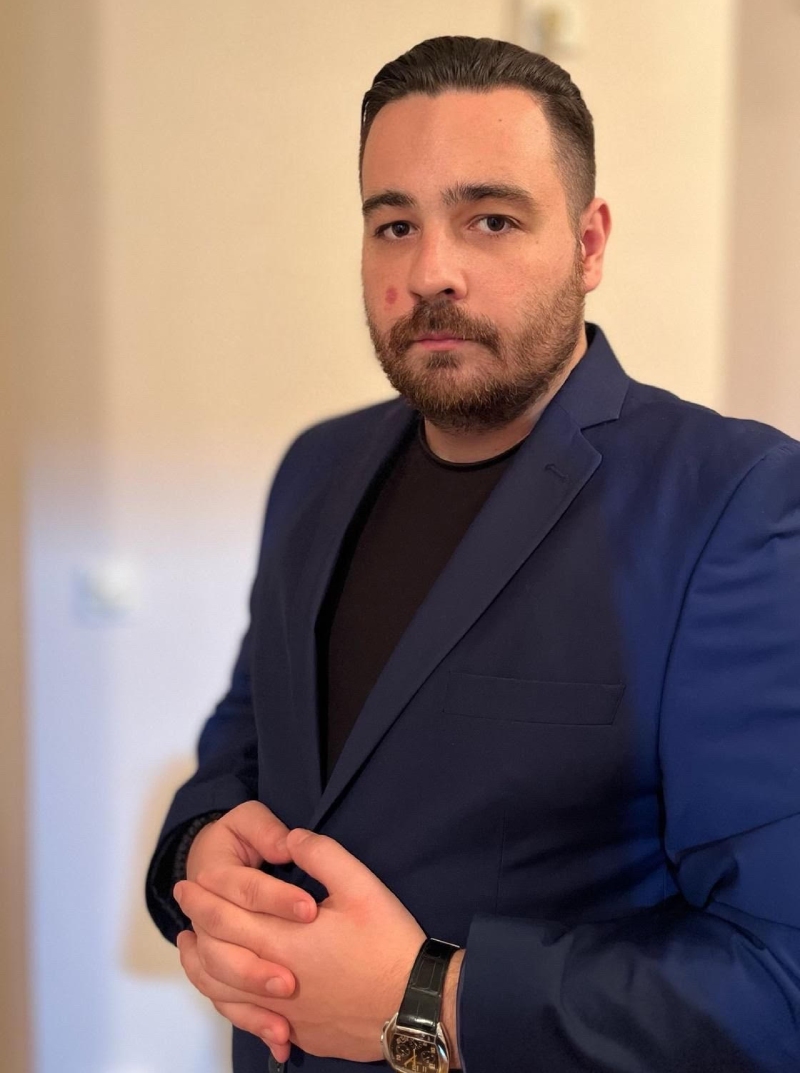
Vojislav S. Dulić
Vojislav Dulić is an attorney at law born in Herceg Novi, specifically in the town of Bijela.
He successfully completed his primary and secondary education in Geneva, thus acquiring an international education and perspective that further enriches his practice. Upon returning to Serbia, he further honed his knowledge and skills by practicing law in Belgrade, where he had the opportunity to work on various complex cases at a prestigious law firm.
He further complemented his practice by working in Geneva, within various branches of law. He speaks English, French, and Italian.
He is a member of the Belgrade Bar Association.
How can we help you?
Fill out the form below to contact us.
Our team will reply as soon as possible.